
The United Arab Emirates (UAE) has become one of the most attractive destinations in the world for skilled construction workers. From the iconic skylines of Dubai to the fast-growing infrastructure in Abu Dhabi and other emirates, the demand for skilled professionals continues to rise year after year. As a result, thousands of Africans are exploring opportunities in the UAE construction sector not only because of better salaries but also due to visa sponsorship, career growth, and international exposure.
In this comprehensive guide, you will learn everything you need to know about skilled construction jobs in the UAE. Specifically, we will explore the types of jobs available, salary expectations, visa application processes, requirements, and practical steps to secure employment from Africa.
Why the UAE is a Top Destination for Skilled Construction Workers
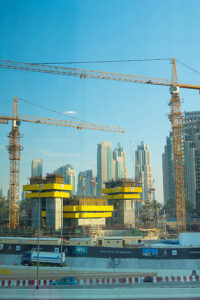
To begin with, the UAE stands out as a global hub for construction and infrastructure development. The country continues to invest heavily in mega-projects, smart cities, tourism infrastructure, and real estate developments. Consequently, this constant expansion creates continuous job opportunities for skilled workers across multiple construction fields.
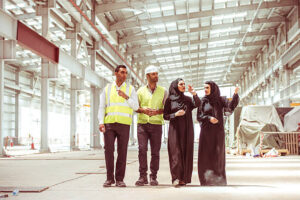
Moreover, the UAE workforce is largely composed of expatriates, meaning foreign workers including Africans are not just welcomed but essential to the economy.
Key Reasons Africans Choose UAE Construction Jobs
First and foremost, the UAE offers tax-free salaries, which significantly increases take-home income. In addition, many employers provide benefits such as:
- Free accommodation
- Transportation
- Medical insurance
- Annual flight tickets
Furthermore, working in the UAE gives you access to international work experience, which can boost your career globally.
Types of Skilled Construction Jobs in the UAE
Now that you understand why the UAE is attractive, let’s examine the various skilled construction jobs available.
1. Skilled Trade Jobs
These are hands-on roles that require technical expertise and experience.
Common examples include:
- Electricians
- Plumbers
- Carpenters
- Welders
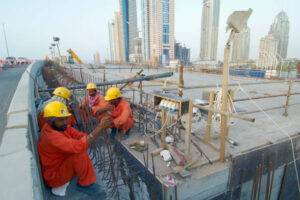
- Steel fixers
- Masons
- Painters
- Pipe fitters
These jobs are in high demand because construction projects require specialized skills to maintain quality and safety.
2. Technical and Engineering Roles
In contrast to trade jobs, these positions require formal education and certifications.
Examples include:
- Civil Engineers
- Mechanical Engineers
- Electrical Engineers
- Quantity Surveyors
- Site Engineers
- Project Engineers
These roles focus on planning, designing, and managing construction projects.
3. Supervisory and Management Roles
As you gain experience, you can move into leadership positions such as:
- Foreman
- Site Supervisor
- Construction Manager
- Project Manager
These roles involve overseeing teams, ensuring project completion, and maintaining safety standards.
Salary Structure for Skilled Construction Jobs in UAE
One of the biggest motivations for Africans moving to the UAE is salary. However, earnings vary depending on experience, job role, and company.
Average Monthly Salaries (AED)
- Skilled workers (carpenters, electricians): 2,500 – 8,500 AED
- Supervisors: 3,000 – 6,000 AED
- Engineers: 4,000 – 12,000 AED
- Project Managers: 12,000 – 35,000+ AED
Additionally, many companies offer benefits like accommodation and transport, which significantly reduce living expenses.
Skills and Qualifications Required
Before applying, it is important to understand what employers expect.
Basic Requirements
- Valid passport
- Updated CV
- Basic English communication skills
- Physical fitness
Skilled Worker Requirements
- 1–3 years of experience (minimum)
- Trade certification (if applicable)
- Technical knowledge of tools and safety standards
- Ability to work in a team
In addition, problem-solving skills and attention to detail will give you a competitive advantage.
Visa Sponsorship for Construction Jobs in UAE
One of the most important aspects of working in the UAE is visa sponsorship.
What is Visa Sponsorship?
A visa sponsorship job means your employer handles your work permit and legal documentation, allowing you to live and work in the UAE legally.
This is especially beneficial for Africans because it removes the burden of visa processing.
Types of UAE Work Visas
1. Standard Employment Visa
- Sponsored by employer
- Valid for 2–3 years
- Most common for construction workers
2. Green Visa
- Valid for 5 years
- Allows self-sponsorship
- Suitable for highly skilled professionals
3. Golden Visa
- Long-term (5–10 years)
- For highly skilled or high-earning professionals
UAE Work Visa Requirements
To obtain a work visa, you typically need:
- Job offer from UAE employer
- Valid passport (6+ months validity)
- Medical test clearance
- Passport photographs
- Employment contract
The visa process usually takes 2–4 weeks, depending on documentation and approvals.
Step-by-Step Visa Application Process
Understanding the process helps you avoid costly mistakes.
1: Secure a Job Offer
First, apply through job portals, recruitment agencies, or company websites.
2: Employer Applies for Work Permit
Your employer submits your details to the Ministry of Human Resources and Emiratisation.
3: Entry Visa Issued
You receive an entry permit to travel to the UAE.
4: Medical Test and Biometrics
Upon arrival, you must undergo medical screening.
5: Emirates ID and Residence Visa
Finally, your residence visa is stamped, allowing you to work legally.
How Africans Can Apply for Skilled Construction Jobs
Now, let’s focus specifically on strategies for Africans.
1. Use Trusted Job Portals
Examples include:
- Gulf job websites
- Company career pages
- Recruitment agencies
2. Apply Through Licensed Agencies
Ensure the agency is legitimate and approved. Avoid paying large upfront fees.
3. Prepare a Professional CV
Highlight:
- Work experience
- Certifications
- Skills
- Previous projects
4. Network with Workers in UAE
Networking increases your chances of getting referrals.
Benefits of Working in UAE Construction Industry
There are several advantages:
1. Tax-Free Income
You keep most of your earnings.
2. Free Benefits
Many jobs include housing, transport, and medical insurance.
3. Career Growth
You can move from technician to supervisor or manager.
4. International Exposure
You gain global work experience.
Challenges You Should Be Aware Of
While opportunities are attractive, you should also consider:
- Hot weather conditions
- Long working hours
- Cultural adjustments
- Risk of job scams
Therefore, always verify job offers before accepting them.
Tips to Avoid Job Scams
Unfortunately, many Africans fall victim to scams.
Watch Out For:
- Requests for large upfront payments
- Fake job offers without contracts
- Unrealistic salary promises
According to insights, legitimate UAE employers usually do not charge candidates for visa processing.
Life in the UAE for African Workers
Living in the UAE can be rewarding but requires adjustment.
Cost of Living
While salaries are good, cities like Dubai can be expensive. However, employer-provided accommodation helps reduce costs.
Cultural Environment
The UAE is multicultural, with workers from Asia, Africa, and Europe.
Work Environment
Construction sites are highly regulated, with strict safety standards.
Future of Construction Jobs in UAE
Looking ahead, the UAE construction sector will continue to grow due to:
- Smart city projects
- Tourism expansion
- Infrastructure development
As a result, demand for skilled workers will remain strong.

Final Thoughts
In conclusion, skilled construction jobs in the UAE offer a powerful opportunity for Africans seeking better income, career growth, and international exposure. Not only does the country provide competitive salaries, but it also offers visa sponsorship, making relocation easier.
However, success requires preparation. You must develop relevant skills, gain experience, and apply through legitimate channels. Additionally, understanding the visa process and job requirements will significantly improve your chances.
Ultimately, if you approach the process strategically and stay informed, working in the UAE construction industry can transform your financial future and open doors to global opportunities.
Leave a Reply