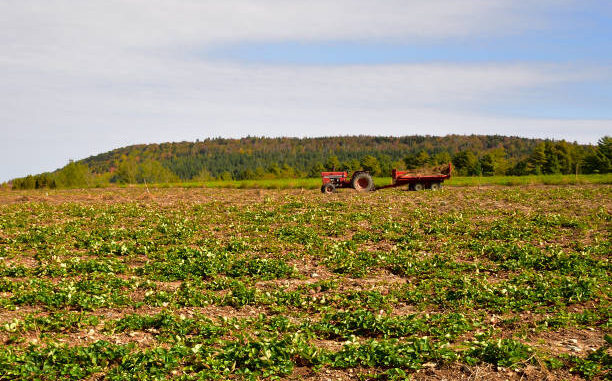
If you’re looking for a practical, fast, and realistic way to work abroad without a university degree, farm worker jobs in Canada stand out as one of the best opportunities in 2026 and 2027. Unlike many professional roles, these jobs are open to foreigners with little or no formal education, and in many cases, employers provide free accommodation, visa sponsorship, and competitive wages.
More importantly, Canada’s agricultural sector is facing a serious labour shortage, which means thousands of positions are available for international applicants every year.
In this comprehensive guide, you will learn everything you need to know from job types and salaries to visa processes, application steps, and insider tips especially if you are applying from Africa.
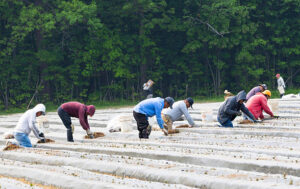
1. Why Farm Worker Jobs in Canada Are in High Demand
First and foremost, Canada is one of the world’s largest agricultural producers. The country grows wheat, fruits, vegetables, and raises livestock on a massive scale. However, despite this strong industry, Canada struggles with a shortage of local workers willing to take up physically demanding farm jobs.
As a result, the government and employers rely heavily on foreign workers to fill these roles.
Key Reasons for High Demand:
- Aging population in rural areas
- Seasonal nature of farming work
- Declining interest among local workers
- Expansion of greenhouse and livestock industries
Therefore, Canada actively recruits foreign workers through structured immigration programs.
2. Can You Get Farm Jobs in Canada Without a Degree?
Yes absolutely.
In fact, farm worker jobs are among the few categories where:
- No university degree is required
- No IELTS is often required (depending on program)
- Experience is optional (for entry-level roles)
Many roles are unskilled or semi-skilled, meaning you can apply even if you have never worked on a farm before.
Typical entry-level roles include:
- Fruit picker
- Vegetable harvester
- General farm labourer
- Greenhouse worker
- Poultry or livestock assistant
These roles focus more on physical ability and willingness to work rather than academic qualifications.
3. Types of Farm Worker Jobs in Canada
Canada offers a wide range of agricultural jobs. Let’s break them down:
3.1 General Farm Worker
This is the most common entry-level role.
Duties:
- Planting crops
- Watering and fertilizing
- Cleaning farm areas
- Assisting with harvesting
3.2 Fruit and Vegetable Picker
This is a seasonal job, especially popular in:
- Ontario
- British Columbia
- Quebec
Duties:
- Picking fruits like apples, berries, grapes
- Sorting and packing produce
3.3 Greenhouse Worker
Greenhouse jobs are available year-round.
Duties:
- Monitoring plant growth
- Controlling temperature and humidity
- Packaging vegetables
3.4 Livestock Farm Worker
This involves working with animals.
Duties:
- Feeding animals
- Cleaning barns
- Monitoring animal health
3.5 Tractor Operator (Semi-Skilled)
Requires some experience.
Duties:
- Operating farm machinery
- Transporting crops
4. Salary Expectations in 2026/2027
Now let’s talk about money because that’s one of the biggest motivations.
Average Hourly Pay:
- Entry-level: CAD $15 – $20/hour
- Mid-level: CAD $20 – $25/hour
- Experienced roles: CAD $25 – $30/hour
Monthly Salary Estimate:
- CAD $2,400 – $4,000 depending on hours
Annual Salary:
- CAD $35,000 – $65,000
However, your earnings depend on:
- Province
- Type of farm
- Experience
- Overtime hours
For example, some job listings show wages of $23–$28 per hour for farm workers with experience.
5. Free Accommodation and Benefits
One major advantage of farm jobs is the additional benefits.
Common Benefits Include:
- Free or subsidized accommodation
- Free transportation to work sites
- Health insurance (in some cases)
- Overtime pay
- Work gear provided
In many cases, workers live:
- On the farm
- In shared housing
- In employer-provided dormitories
This significantly reduces your living expenses, allowing you to save more money.
6. Visa Sponsorship Programs for Farm Workers
To work legally in Canada, you must go through an official program. Fortunately, Canada has structured pathways.
6.1 Seasonal Agricultural Worker Program (SAWP)
This is the most popular route.
Features:
- Temporary work (up to 8 months)
- Employer provides accommodation
- Visa sponsorship included
Who Can Apply:
- Citizens of eligible countries (mainly developing countries)
6.2 Temporary Foreign Worker Program (TFWP)
This program allows employers to hire foreign workers when no Canadians are available.
Features:
- LMIA-based work permit
- Available year-round
- Covers multiple farm roles
Employers must prove that:
- They cannot find local workers
- They will pay fair wages
6.3 Agri-Food Pilot (Pathway to Permanent Residency)
This is a long-term opportunity.
Benefits:
- Work permit + pathway to PR
- Suitable for experienced workers
7. What Is LMIA and Why It Matters?
LMIA (Labour Market Impact Assessment) is a document that proves:
- A Canadian employer needs a foreign worker
Without LMIA, most foreign farm jobs are not valid.
Therefore: Always confirm that your job offer includes LMIA approval.
8. Requirements to Apply
Even though no degree is required, you must meet basic conditions.
General Requirements:
- Valid passport
- Physical fitness
- Willingness to work outdoors
- Basic English (not always mandatory)
Additional Requirements:
- Police clearance
- Medical examination
- Job offer letter
9. Step-by-Step Application Process
Now let’s walk through the process.
1: Find a Job Offer
Search for:
- Verified employers
- LMIA-approved jobs
2: Submit Application
Prepare:
- CV
- Passport
- Cover letter
3: Employer Applies for LMIA
The employer handles this process.
4: Apply for Work Permit
Once LMIA is approved:
- Apply for a Canadian work visa
5: Travel to Canada
After approval:
- Book your flight
- Start your job
10. Where to Find Farm Worker Jobs
Here are reliable platforms:
- Government Job Bank
- Indeed Canada
- Agricultural recruitment agencies
Always avoid:
- Agents asking for large upfront fees
- Fake job offers without LMIA
11. Working Conditions: What to Expect
Before applying, it’s important to understand the reality.
Working Hours:
- 8–10 hours daily
- 40–60 hours weekly
Work Environment:
- Outdoor weather conditions
- Physically demanding tasks
Lifestyle:
- Rural areas
- Limited social life
However, many workers adapt quickly and enjoy:
- Peaceful environments
- Stable income
12. Advantages of Farm Worker Jobs in Canada
Let’s look at the benefits.
1. No Degree Required
You can apply without higher education.
2. Visa Sponsorship
Employers support your immigration process.
3. Free Accommodation
You save money on rent.
4. High Demand
Thousands of jobs available yearly.
5. Pathway to Permanent Residency
Some programs allow long-term settlement.
13. Challenges You Should Know
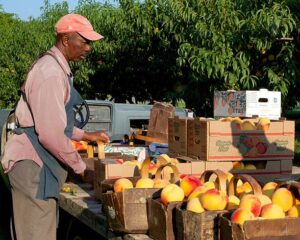
To be realistic, there are also downsides.
Common Challenges:
- Physical stress
- Harsh weather
- Isolation in rural areas
- Seasonal job insecurity
Therefore, mental and physical preparation is important.
14. Tips to Increase Your Chances
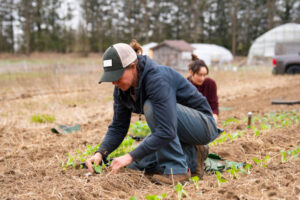
If you want to succeed, follow these tips:
1. Apply Early
Farm jobs are seasonal.
2. Customize Your CV
Highlight:
- Physical work experience
- Teamwork skills
3. Target High-Demand Provinces
- Ontario
- Alberta
- Saskatchewan
- British Columbia
4. Avoid Scams
Never pay large fees upfront.
15. Can Africans Apply for These Jobs?
Yes many African applicants successfully get farm jobs in Canada every year.
These jobs are ideal for:
- Nigerians
- Ghanaians
- Kenyans
- South Africans
Because:
- No degree required
- Simple application process
- High acceptance rate
16. Future Outlook for 2026/2027
Looking ahead, the demand for farm workers is expected to increase due to:
- Climate-related agricultural expansion
- Population growth
- Labour shortages
Therefore, opportunities will continue to grow.
17. Final Thoughts
In conclusion, farm worker jobs in Canada offer one of the easiest and most realistic pathways to work abroad in 2026/2027 especially if you don’t have a degree.
Not only do these jobs provide:
- Visa sponsorship
- Free accommodation
- Competitive salaries
But they also open doors to long-term opportunities, including permanent residency.
However, success depends on:
- Applying through the right channels
- Avoiding scams
- Preparing physically and mentally
Bottom Line
If you are serious about relocating abroad without a degree, farm worker jobs in Canada are a practical, achievable, and rewarding option.
Leave a Reply