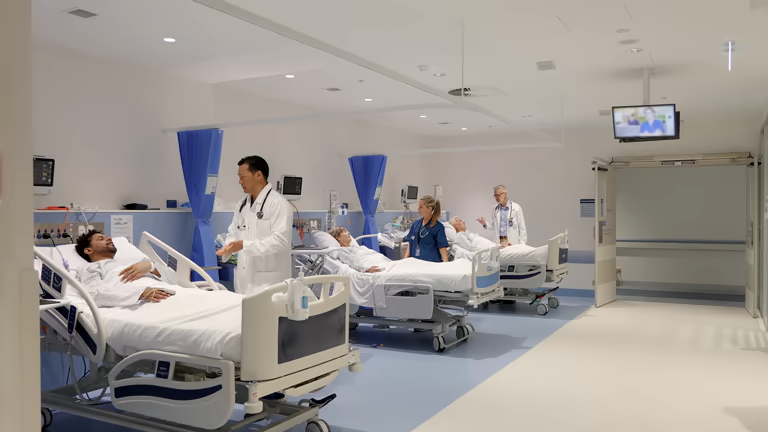
Undoubtedly, Australia has become one of the most attractive destinations for caregivers worldwide. Not only does the country offer a high standard of living, but it also provides strong labor protections, competitive salaries, and most importantly clear pathways to visa sponsorship and permanent residency.
At the same time, due to an aging population and increasing demand for healthcare services, the need for caregivers continues to rise rapidly. Consequently, both skilled and unskilled caregiver jobs are widely available, creating opportunities for international workers, including Africans, to build a rewarding career abroad.
Therefore, in this comprehensive guide, you will discover:
- The difference between skilled and unskilled caregiver jobs
- The major caregiver job sectors in Australia
- Salary expectations across experience levels
- Visa sponsorship options and pathways
- Requirements and how to apply successfully
By the end of this article, you will clearly understand how to position yourself for caregiver jobs in Australia—whether you are highly qualified or just starting out.

Understanding Caregiver Jobs in Australia
First and foremost, it is essential to understand what caregiver jobs entail.
A caregiver is a professional who assists individuals who cannot fully care for themselves. These individuals may include:
- Elderly people
- People with disabilities
- Patients recovering from illness
- Children with special needs
Caregivers typically provide:
- Personal care (bathing, dressing)
- Emotional support
- Medication assistance
- Household help
- Mobility assistance
Importantly, caregiver roles in Australia fall into two main categories:
1. Skilled Caregiver Jobs
These roles require training, certifications, or experience.
2. Unskilled Caregiver Jobs
These roles require little or no formal education but still demand compassion and basic skills.
Why Caregiver Jobs Are in High Demand in Australi
Without a doubt, several key factors are driving demand:
1. Aging Population
Australia’s elderly population is growing rapidly. As a result, aged care services are expanding.
2. Healthcare Workforce Shortages
There is a shortage of local workers, which opens doors for foreign applicants.
3. Government Support
The Australian government invests heavily in healthcare and aged care.
4. Migration-Friendly Policies
Australia actively encourages skilled migration, especially in healthcare sectors.
Consequently, thousands of caregiver roles are available annually, including over 800+ visa sponsorship caregiver jobs listed on platforms like SEEK .
Skilled Caregiver Jobs in Australia
What Makes a Caregiver Job “Skilled”?
A skilled caregiver job typically requires:
- Formal qualifications (Certificate III/IV, Diploma, Nursing degree)
- Work experience
- English proficiency (IELTS 6.0+ in most cases)
Skilled Caregiver Job Sectors
1. Aged Care Workers
These professionals work in:
- Nursing homes
- Retirement villages
- Home care settings
2. Disability Support Workers
They assist individuals with physical or mental disabilities.
3. Registered Nurses (Caregiving Roles)
These are highly skilled professionals providing medical care.
4. Personal Care Assistants (Certified)
They support daily living activities with formal training.
5. Community Support Workers
They provide social and emotional support in communities.

Skilled Caregiver Salaries in Australia
Now, let’s examine the financial aspect.
Average Salary Range:
- Entry-level: AUD 50,000 – AUD 60,000/year
- Experienced: AUD 60,000 – AUD 75,000+
- Senior roles: AUD 75,000 – AUD 90,000+
Additionally:
- Hourly rates: AUD 25 – AUD 35/hour
- Monthly salary: AUD 3,200 – AUD 4,500
Furthermore, some roles pay as high as:
- AUD 69,000 average annually
- Up to AUD 142,000 for highly experienced professionals
Clearly, skilled caregivers enjoy stable and lucrative income opportunities.
Benefits of Skilled Caregiver Jobs
Moreover, skilled roles offer:
- Paid leave and sick days
- Superannuation (retirement contributions)
- Overtime pay
- Career progression
- Permanent residency pathways
Unskilled Caregiver Jobs in Australia
What Are Unskilled Caregiver Jobs?
On the other hand, unskilled caregiver jobs require:
- No formal degree
- Minimal training (often provided on the job)
However, employers still expect:
- Compassion
- Communication skills
- Basic English
Unskilled Caregiver Job Sectors
1. Home Care Assistants
They help clients in private homes.
2. Live-in Caregivers
They reside with clients and provide full-time support.
3. Companion Care Workers
They offer emotional support and companionship.
4. Domestic Care Workers
They assist with cleaning, cooking, and errands.
5. Support Workers (Entry-Level)
They help in aged care facilities without formal certification.
Interestingly, some employers explicitly state that “no qualification required” for certain care roles .
Unskilled Caregiver Salaries
Although salaries are slightly lower, they are still competitive.
Typical Pay:
- Hourly: AUD 25 – AUD 34/hour
- Annual: AUD 50,000 – AUD 60,000
- Monthly: AUD 3,000 – AUD 4,200
Additionally, some roles offer:
- Free accommodation
- Meals
- Flexible schedules
Skilled vs Unskilled Caregiver Jobs: Key Differences
| Feature | Skilled Jobs | Unskilled Jobs |
|---|---|---|
| Education | Required | Not required |
| Salary | Higher | Moderate |
| Visa Options | More pathways | Limited but available |
| Career Growth | High | Moderate |
| Training | Formal | On-the-job |
Visa Sponsorship for Caregiver Jobs in Australi
Now, let’s address the most important question: How do you move to Australia?
What is Visa Sponsorship?
Visa sponsorship means:
An Australian employer hires you and supports your visa application.
Common Visa Options
1. Temporary Skill Shortage Visa (Subclass 482)
This is the most popular option.
- Employer-sponsored
- Valid for up to 4 years
- Can lead to permanent residency
2. Skilled Independent Visa (Subclass 189)
- No employer needed
- Based on points system
3. Skilled Nominated Visa (Subclass 190)
- Requires state nomination
4. Regional Sponsored Migration Scheme
- For jobs in regional Australia
Visa Requirements
To qualify, you typically need:
- Job offer from an Australian employer
- Relevant skills or experience
- English proficiency
- Health and character checks
How to Get Caregiver Jobs with Visa Sponsorship
Step-by-Step Process
1: Choose Your Path
Decide whether to apply for:
- Skilled caregiver jobs
- Unskilled caregiver jobs
2: Get Required Qualifications (if needed)
For skilled roles:
- Certificate III in Individual Support
- Diploma in Nursing
3: Prepare Documents
- CV (Australian format)
- Cover letter
- Certificates
- English test results
4: Apply for Jobs
Use platforms like:
- SEEK
- Indeed
- Company websites
5: Secure Sponsorship
Once hired:
- Employer sponsors your visa
- You submit application
Advantages of Caregiver Jobs in Australia
1. High Demand = Job Security
There is continuous demand due to population aging.
2. Competitive Salaries
Caregivers earn attractive wages compared to many countries.
3. Work-Life Balance
Flexible shifts are common.
4. Immigration Opportunities
Caregiving can lead to permanent residency.
Challenges to Consider
However, it is important to remain realistic.
1. Emotional Demands
Caregiving can be physically and emotionally challenging.
2. Licensing Requirements
Some roles require certification.
3. Competition
Although demand is high, competition exists.
Tips for Success
To significantly increase your chances:
- Gain caregiving experience locally
- Improve English proficiency
- Apply consistently
- Target rural areas (less competition)
- Network with employers
Future Outlook of Caregiver Jobs in Australia
Looking ahead, the demand for caregivers will continue to grow.
Why?
- Aging population
- Increased healthcare funding
- Shortage of local workers
Therefore, caregiving remains one of the most reliable migration pathways.
Conclusion
In conclusion, caregiver jobs in Australia offer incredible opportunities for both skilled and unskilled workers.
On one hand, skilled roles provide higher salaries, career advancement, and strong visa options. On the other hand, unskilled roles offer an accessible entry point into Australia’s workforce, with the possibility of growth over time.
Most importantly, with salaries ranging from AUD 50,000 to over AUD 90,000 annually and widespread visa sponsorship opportunities, caregiving stands out as a practical and rewarding career path.
Final Thought
If you are serious about relocating to Australia, then becoming a caregiver could be your gateway. However, success requires preparation, persistence, and the right strategy.
Leave a Reply